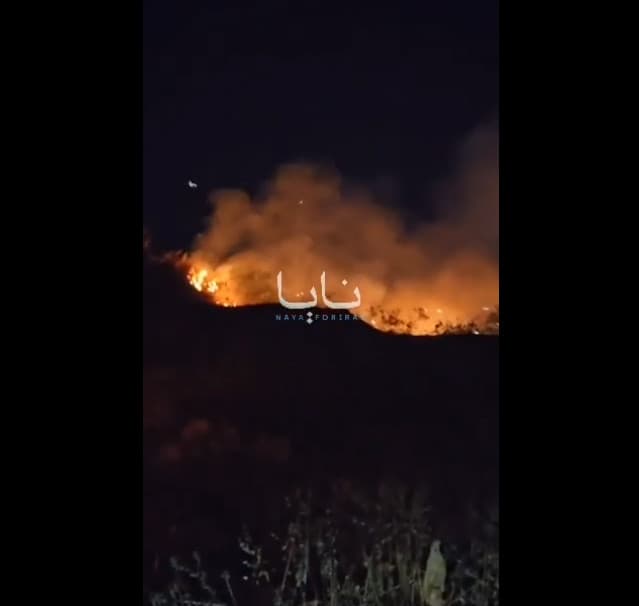
Crude oil surges over three percent following Tehran's bombardment, endangering delicate diplomatic efforts to reopen the blocked Strait of Hormuz.
Global energy markets reacted with immediate volatility late Sunday evening after Iran’s direct ballistic missile strike on Israel effectively dismantled the region’s fragile April ceasefire. The sudden re-escalation has reignited deep-seated fears of prolonged disruption across international transit corridors, sending a sharp shockwave through commodity desks as trading floors opened for the week.
In early trading following the strikes, Brent crude, the international benchmark, surged by 3.29 percent to $96.15 a barrel. Concurrently, the U.S. marker, West Texas Intermediate (WTI), climbed 3.25 percent to settle at $93.48 a barrel. The sharp upward movement snaps a period of cautious market stability maintained since the April 8 truce, during which traders had actively bet on a diplomatic resolution to the wider regional conflict.
The Strait of Hormuz Crisis Deepens
The primary catalyst for the price surge is the direct threat the escalation poses to the Strait of Hormuz—the world’s most critical maritime energy chokepoint. The strait has been effectively closed to commercial tanker traffic since late February following localized hostilities, causing what the International Energy Agency (IEA) has termed the “largest supply disruption in the history of the global oil market.”
The weekend’s missile exchanges have thoroughly dampened hopes for an imminent reopening of the channel. Energy analysts warn that even if a diplomatic breakthrough were achieved, the logistical and security bottlenecks would severely delay normalization.
“Fresh fighting is jolting oil and equity markets from their deep and persistent optimism that peace is at hand and the worst of the Hormuz disruption lies behind us.” — Bob McNally, President of Rapidan Energy
According to shipping data and market intelligence, the prolonged friction has already led to:
- A cumulative reduction of over 10 million barrels per day from regional producers including Saudi Arabia, Kuwait, and the UAE.
- A complete declaration of force majeure on liquefied natural gas (LNG) exports by major suppliers like QatarEnergy.
- Historically depleted European natural gas inventories, currently sitting at just 30 percent capacity following a harsh winter, which pushed Dutch TTF gas benchmarks up significantly.
Macroeconomic Pressures and Political Fallout
The renewed energy spike presents an acute political challenge for Washington. U.S. President Donald Trump has consistently pressured regional actors for a permanent settlement to alleviate domestic fuel price inflation. Domestic retail gasoline averages have hovered near historic highs, heavily impacting consumer sentiment ahead of the upcoming midterm elections.
| Energy Metric | Pre-Strike Level | Post-Strike Early Trading | Market Impact |
| Brent Crude | ~$93.10 / bbl | $96.15 / bbl | Up 3.29% on renewed Middle East war risk |
| WTI Crude | ~$90.50 / bbl | $93.48 / bbl | Up 3.25% as domestic inventories tighten |
| Strait of Hormuz | Blocked / High-Risk | Sealed / Indefinite Closure | 20% of global seaborne oil remains stranded |
| European Natural Gas | Elevated | Surging | Compounding winter storage shortages |
Despite the missile strikes, President Trump maintained an aggressive posture toward securing a broader deal, asserting to reporters that the outbreak of active hostilities would not derail Washington’s ultimate diplomatic framework. He insisted that Israel “won’t have any choice” but to eventually accept a comprehensive arrangement once conditions stabilize.
However, commodity analysts remain notably less optimistic in the short term. Market experts note that while aggressive diplomatic posturing from the White House has previously tempered what could have been a far more catastrophic jump past the $100-per-barrel threshold, a sustained kinetic air war between Israel and Iran will leave global supply lines fundamentally exposed well into the fourth quarter of the year.
Sources and Links:
- Financial Times: Oil prices jump after Iran missiles threaten fragile ceasefire
- Agence France-Presse (via NAMPA): Oil prices climb 3% after Iranian missile strikes on Israel
- The Manila Times: Oil prices climb 3% after Iranian missile strikes on Israel
- Seeking Alpha: Crude oil climbs after Iran fires waves of missiles at Israel
- PBS NewsHour: Israel says Iran launched missiles in first bombardment since fragile ceasefire
- Fox News: Iran unleashes missile barrages on Israel, threatens US targets in sudden escalation
- Wikipedia: 2026 Strait of Hormuz crisis
- Wikipedia: Economic impact of the 2026 Iran war
The post by SouthFloridaReporter.com appears on South Florida Reporter.
VIP Journal Media