
Blog
Últimas Historias
Artículos seleccionados de la vibrante escena del Sur de Florida
Filtros2
Categoría
Etiquetas
 News
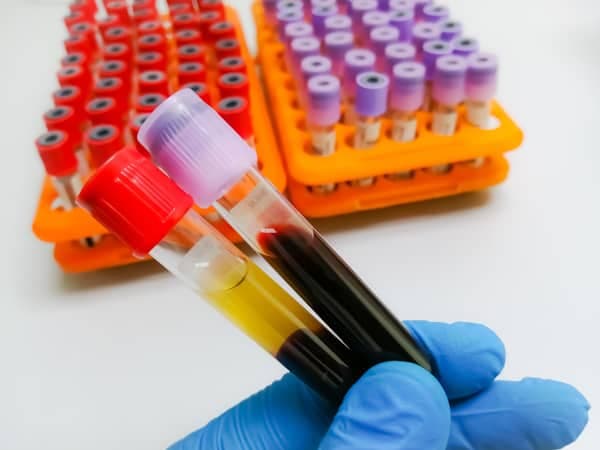
NewsBlood Test Measuring Biological Age May Reveal Dementia Risk
Researchers believe blood tests tracking biological age can spot early dementia risks and improve upcoming medical trial recruitment.
 News
NewsWant To Live Longer? Study Finds Sweet Spot For Cardio And Strength Training
Combining high aerobic exercise and weekly strength training provides the optimal strategy to lower your overall mortality risk.
 News
NewsGLP-1 Drugs Show Early Promise For Improving Fertility In Males And Females
Written by Peter Morales-Brown — Fact checked by Jill Seladi-Schulman, Ph.D. Fertility is closely linked to metabolic health, with obesity being a significant factor that can negatively affect reproductive function in both males and females. Having overweight or obesity can contribute to hormonal imbalances, insulin resistance, chronic inflammation, and altered reproductive hormone signaling, all of which may impair fertility. In females, obesity is often associated with conditions such as polyendocrine metabolic ovarian syndrome (PMOS), formerly knows as PCOS, while in males, it can reduce testosterone levels and adversely affect sperm quality. Thus, lifestyle changes, such as adopting balanced dietary plans, engaging in regular physical activity, and maintaining a healthy weight, can help enhance reproductive outcomes and support fertility. GLP-1 receptor agonists, such […]...
 News
NewsVitamin C May Help Preserve Brain Gray Matter Volume As We Age
Written by Corrie Pelc — Fact checked by Kevin Cyr, MD As our body naturally ages, so does our brain. Structurally, the brain loses volume of gray matterTrusted Source — the area of the brain known for processing information, movement, and emotion control — which can make it harder for the brain to perform certain functions, such as creating new memories and multitasking. Additionally, the brain undergoes changes in its neurons and neurotransmitters, which can impact brain connectivity and how it receives and sends communications. Past studies show that following a healthy brain-focused diet may help slow brain aging and cognitive decline. Previous research also shows that certain nutrients, like omega-3 fatty […]...
 News
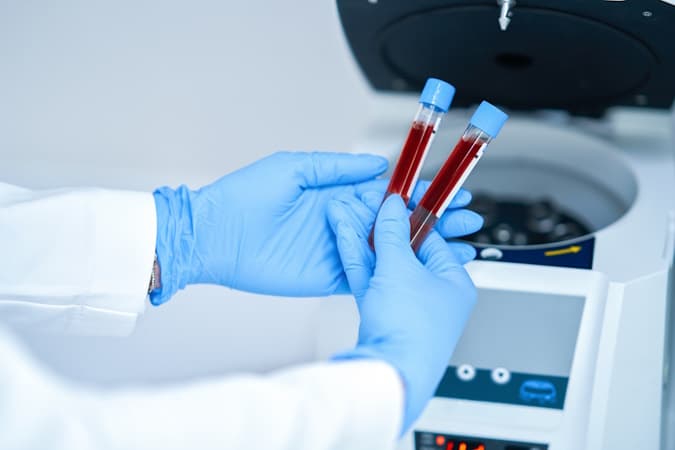
NewsAlzheimer’s Blood Test Around Ages 53-69 May Help Detect Early Cognitive Decline
A new study has found that these biomarker blood tests may also help doctors find very early signs of cognitive decline in midlife adults without a dementia diagnosis.
 News
News8 Common Food Additives Linked To High Blood Pressure In New Study
Written by Tim Newman on — Fact checked by Jill Seladi-Schulman, Ph.D. The results of a recent study published in the European Heart Journal suggest that certain common preservatives in food may increase hypertension and cardiovascular risk. Because this observational study cannot prove causation — other factors may explain the link — the authors call for further research. They also call for a re-evaluation of the risks by the relevant bodies, including the Food and Drug Administration (FDA) and the European Food Safety Authority (EFSA). The rise of preservatives in food With ultra-processed foods (UPFs) making headlines on a weekly basis, the scientific community and […]...
 News
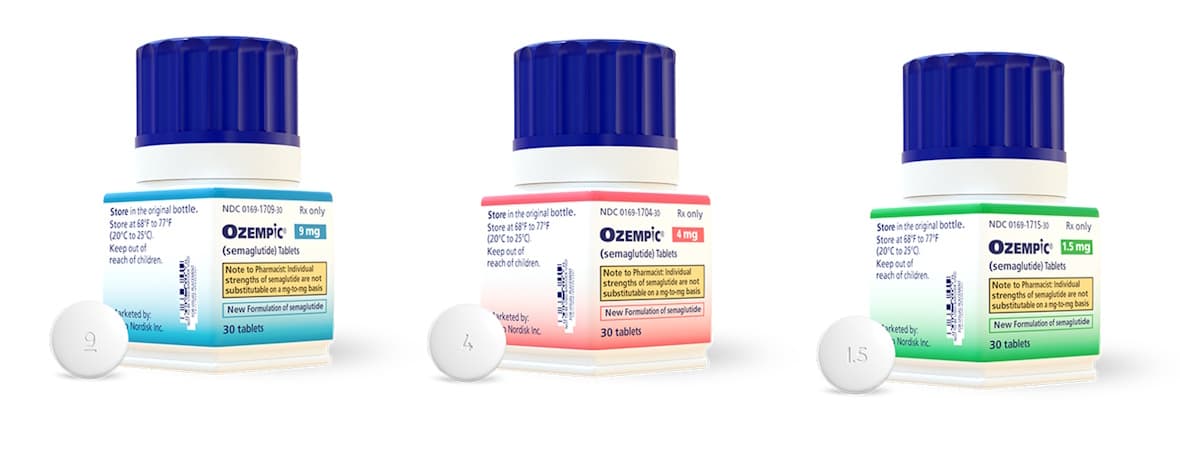
NewsNew Ozempic Pill May Offer More Affordable Alternative To Injectables
https://www.medicalnewstoday.com/articles/new-ozempic-pill-may-offer-more-affordable-alternative-to-injectables?utm_source=SailthruEmail&utm_medium=Email&utm_campaign=sundaysupplement&utm_content=2026-05-10&apid=35168294&rvid=c71afb4ed31f75488d6da63c33654b9e80a39619625f83ffc49d9490457250d6...
 News
NewsHow Bananas Affect Diabetes and Blood Sugar Levels
Medically reviewed by Imashi Fernando, MS, RDN, CDCES — Written by Helen West, RD Key takeaways Bananas can fit into a diabetes eating plan, but their carbohydrates and sugar can raise blood sugar more than protein or fat. Bananas have fiber, and their glycemic index (GI) ranges from low to medium depending on ripeness, which may help limit spikes. Choose a smaller, firm, nearly ripe banana and eat it with foods like nuts or plain Greek yogurt to slow sugar absorption. When you have diabetes, it’s important to keep your blood sugar levels as stable as possible. Good blood sugar management can help […]...
 News
NewsAll Coffee, Even Decaf, Can Improve Mood, Brain Health, Study Finds
Written by James McIntosh — Fact checked by Kevin Cyr, MD Coffee doesn’t just impact your energy levels first thing in the morning; it also influences the makeup of the gut microbiota, which in turn could influence mood and stress levels. This is according to new research from APC Microbiome Ireland, a research center based at University College Cork, in Ireland. The study is published in Nature Communications. “Coffee is more than just caffeine,” said study author John Cryan, PhD, Principal Investigator at APC Microbiome Ireland, in a press release. “It’s a complex dietary factor that interacts with our gut microbes, our metabolism, and even our […]...